
What a matchday at an English ground involves
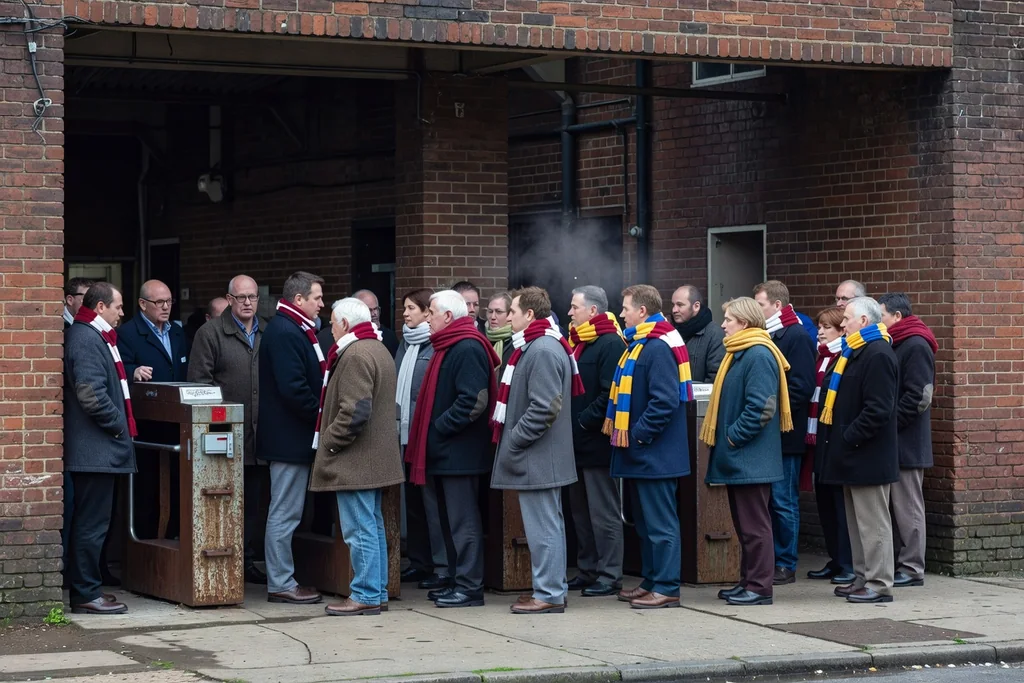
A matchday at an English ground is a long day built around a short event. Supporters arrive hours before kick-off, the ground fills gradually, and the ninety minutes that follow are the reason for everything else. Understanding how the day is organised makes the experience easier to plan and easier to enjoy, whether you are a regular or visiting for the first time.
This article walks through a typical home fixture from a supporter’s point of view: getting there, getting in, the build-up inside the ground and what happens once the match is over.
Getting to the ground
Most English grounds sit in dense urban areas with limited parking, which is why clubs and local authorities push supporters towards public transport. Trains, trams and buses all feel the strain in the hour before kick-off, and the walk from the nearest station is often the busiest part of the trip. Arriving early is not a virtue here so much as a practical decision.
For away supporters the journey is longer and the arrangements are more controlled. Segregated entrances, dedicated concourses and often a police escort are normal, and the whole point is to keep two groups apart rather than to inconvenience anyone.
Getting in: turnstiles and tickets
Modern grounds have moved away from paper tickets almost entirely. Entry is normally by a barcode or a contactless card, with turnstiles spread across each stand and staff on hand when something fails to scan. Bag checks, searches and the occasional ticket inspection are routine.
Entry times matter more than newcomers expect. Turnstiles are busiest in the twenty minutes before kick-off, and a late arrival can mean missing the start of the match rather than simply taking your seat a minute after it begins.
Inside the ground before kick-off
Once inside, the concourse is where the day actually happens for many supporters. Food and drink outlets, toilets and betting-free social areas, club shops and the walkways that circle the stands. The noise level rises steadily as the stands fill and the teams complete their warm-up routines.
Then come the formalities: the teams line up, the officials take their positions, and the pre-match rituals of the club and the league are observed. None of it decides the match, but all of it shapes the atmosphere in which the match is played.
The atmosphere itself is part of what supporters travel for. Songs travel around the ground from one stand to the next, the away section answers back, and the noise builds in the minutes before kick-off. That environment is difficult to reproduce on television and it is the main reason many supporters keep going to matches in person even when every game is available to watch at home.
What to arrange before the day
Most of the avoidable problems on a matchday are solved by planning, not by luck. A short list is usually enough.
- Buy through the club’s own official channels, not resale sites.
- Check the kick-off time on the day, since fixtures are often moved.
- Plan the route and allow for congestion around the ground.
- Check the ground’s rules on bags and prohibited items.
- Confirm the away-ticket arrangements if you are travelling.
After the final whistle
Leaving is the slowest part of the day. Gates open in stages, the nearest stations queue supporters deliberately, and the streets around the ground take time to clear. Supporters who stay behind for a few minutes often reach the station sooner than those who leave at the whistle.
| Part of the day | What normally happens | Practical tip |
|---|---|---|
| Travel | Public transport is busiest in the hour before kick-off | Leave earlier than you think necessary |
| Entry | Turnstiles and bag checks at every entrance | Arrive well before the cut-off |
| Concourse | Food, drink and club facilities | Use the quieter stands and levels |
| Build-up | Warm-ups and pre-match formalities | Be in your seat for kick-off |
| Exit | Staged departure and station queues | Wait a few minutes, then move |
The point of the routine
None of this is glamorous, and that is precisely why it is worth knowing. A matchday is a logistics operation that happens to end in a football match, and the supporters who enjoy it most are usually the ones who have learned how the day flows and stopped fighting it.
It is also worth saying that the experience varies enormously between grounds. An older stadium with tight stands and narrow concourses feels nothing like a modern arena with wide walkways and a roof that holds the noise in. Both can be excellent, but they demand different plans, and a little research before a first visit goes a long way towards making the day about the football rather than about the queues.
Read next
How a Premier League season is organised
The shape of an English top-flight campaign, from the opening round to the final matchday.
Promotion, relegation and the league pyramid
How clubs move between divisions and what survival or promotion actually decides.
How English clubs qualify for Europe
The routes into continental competition and why the final table decides more than the title.