
A unique deck: why copying a top list usually fails
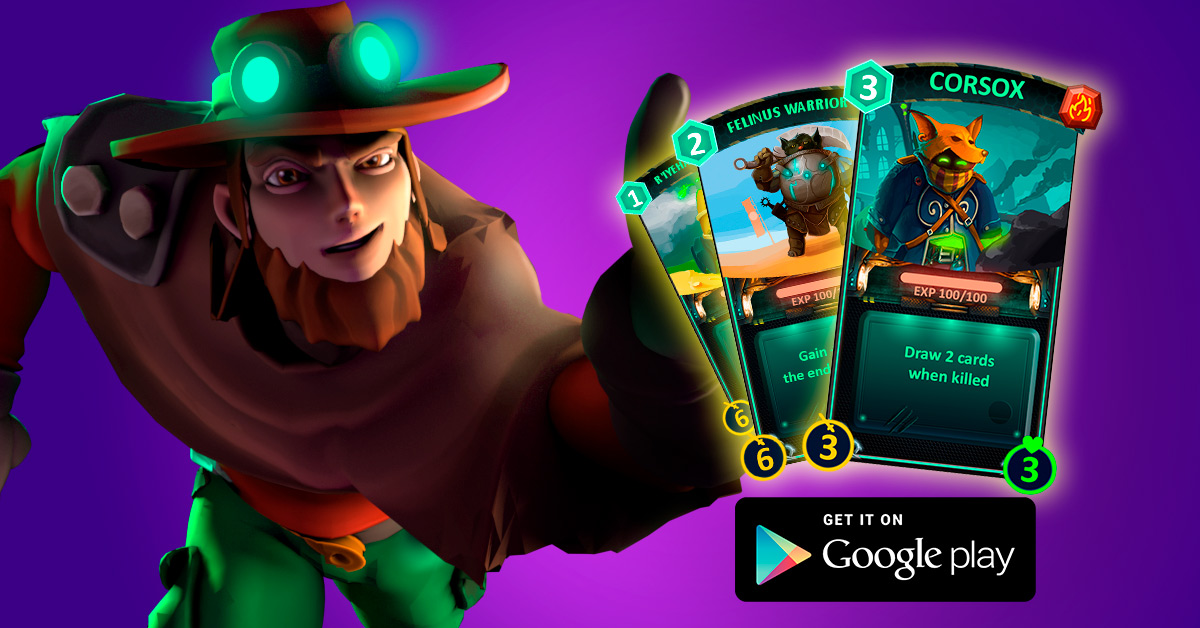
Every hunter ends up with a deck that looks slightly wrong to everyone else, and that is the point: the studio built the game so that the best cards are found by walking, not by copying a list.
Why location makes a deck unique
Cards come from the places you hunt. Two players in different neighbourhoods do not meet the same beasts at the same rate, so the pool behind a deck differs by street. That is a design decision, not a bug: it gives the player a reason to scout and a reason to keep the deck he actually owns.
What to do with a rare find
A single strong card is not a deck. The first question is what it needs around it: a card with an opening effect wants cheap beasts to play before it, and a card that grows wants a way to survive the first turns. Without that support it will lose to a plain deck with better timing.
| Find | What it needs | Where it fails |
|---|---|---|
| Fast opener | Cheap support cards | Long duels |
| Defensive beast | A threat behind it | Decks with no damage |
| High-cost card | Resource ramp from the camp | Fast opponents |
Three rules for building your own
- Start from the card you cannot replace, not from the deck you saw online.
- Keep the curve low enough that you are not waiting three turns to act.
- Test against a real hunter before upgrading anything expensive.
When to stop tuning
A deck is finished when you can explain why each card is there. If two cards do the same job, one of them is a placeholder. The moment you can name the job of every card, upgrades become obvious and cheap.