
Stadium development and the matchday experience
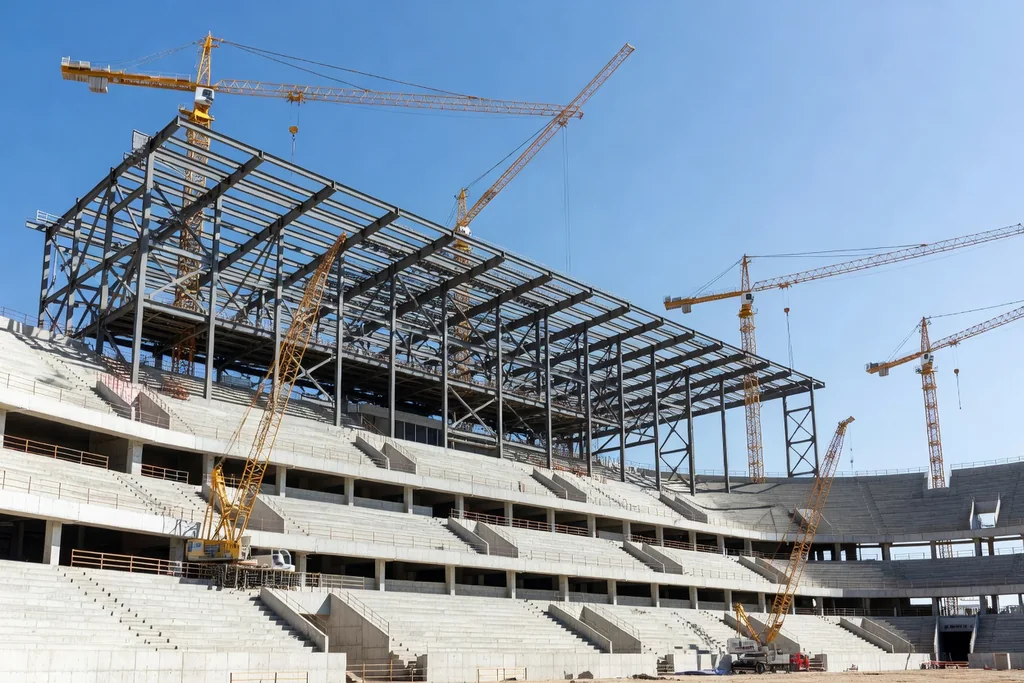
Stadiums are the most expensive asset a football club owns and the most visible part of its identity. They are also the part of a club that changes most slowly, because building or substantially rebuilding one takes years and a great deal of money. That combination makes stadium development one of the most consequential decisions a club can make.
This article looks at how clubs approach stadium projects, what supporters expect from a matchday, what safe standing involves and why the matchday experience has become a competitive issue.
Why clubs rebuild
Clubs undertake stadium projects for a mixture of reasons. Capacity is the most obvious: a ground that sells out every week represents demand that cannot be served. Revenue is another, since modern grounds generate income from hospitality, retail and events well beyond the ninety minutes of a match.
Condition matters too. Older structures can be expensive to maintain, limited in what they can offer and difficult to adapt to modern safety and accessibility standards. At some point the cost of renovating an ageing ground approaches the cost of replacing it.
The choice between rebuilding and moving
A club planning a project faces a fundamental choice: stay at the existing site and rebuild, or move to a new location. Staying preserves the club’s identity and its connection to a neighbourhood, but it means working around a constrained site, often in stages and often while matches continue. Moving offers more space and fewer constraints, but it takes the club away from the place its supporters associate with it.
Neither option is straightforward, and the decision usually comes down to how much land is available and how much disruption the club is prepared to accept during construction.
What supporters actually want from a matchday
Supporters care about facilities, but the things they value most are not always the things clubs emphasise. Surveys and consultations consistently point towards similar priorities.
- A seat with a clear view and enough legroom.
- Queues that move at concourses, toilets and refreshment points.
- An atmosphere that is protected rather than designed away.
- Affordable pricing, especially for younger supporters.
- Public transport that can handle a full ground at once.
Safe standing and the return of terracing
Safe standing areas have become one of the most discussed elements of stadium design. The approach provides designated standing places within a controlled structure, combining the atmosphere that some supporters prefer with the safety standards that modern grounds must meet.
Where safe standing has been introduced, the changes have usually been popular with the supporters who use it. The debate is not about whether standing can be safe but about how much of a ground it should occupy and how it affects pricing and seating for those who prefer to sit.
The matchday experience as a competitive issue
Clubs increasingly treat the matchday experience as something that has to compete for attention. A supporter can watch every match at home with better analysis and no travel, so the reasons to attend in person have to be strong. Comfort, atmosphere and the sense of occasion are what a stadium offers that a broadcast cannot.
That has pushed clubs to invest in more than seats. Concourse design, food and drink, accessibility, and the connection between the ground and the surrounding area have all become part of what a modern project has to address.
What a stadium project involves
The scale of the work is best understood by looking at the stages involved, because each one has its own timeline.
| Stage | What happens | Typical concern |
|---|---|---|
| Feasibility | Assessing options and costs | Whether the project is affordable |
| Consultation | Discussing plans with supporters and authorities | Local impact and access |
| Planning | Obtaining the necessary approvals | Conditions attached to consent |
| Construction | Building in stages or moving site | Disruption during the season |
| Opening and legacy | Using the new facility and its surroundings | Whether the ground feels like home |
A project measured in decades
A stadium is a decision that a club lives with for a generation, and the football played inside it will change many times before the structure does. That is why the consultation stage matters so much: the ground has to work for supporters who have not been born yet, and the choices made at the start are the ones that will be hardest to change.
Read next
Transfer market: the trends shaping deals
Longer contracts, structured fees and the changing balance between buyers and sellers.
Data and analytics in modern football
How clubs use information to recruit, prepare and evaluate, and what it cannot do.
The growth of the professional women’s game
Attendance, investment and the professional structures developing across the sport.