
Officiating technology: what changes for fans
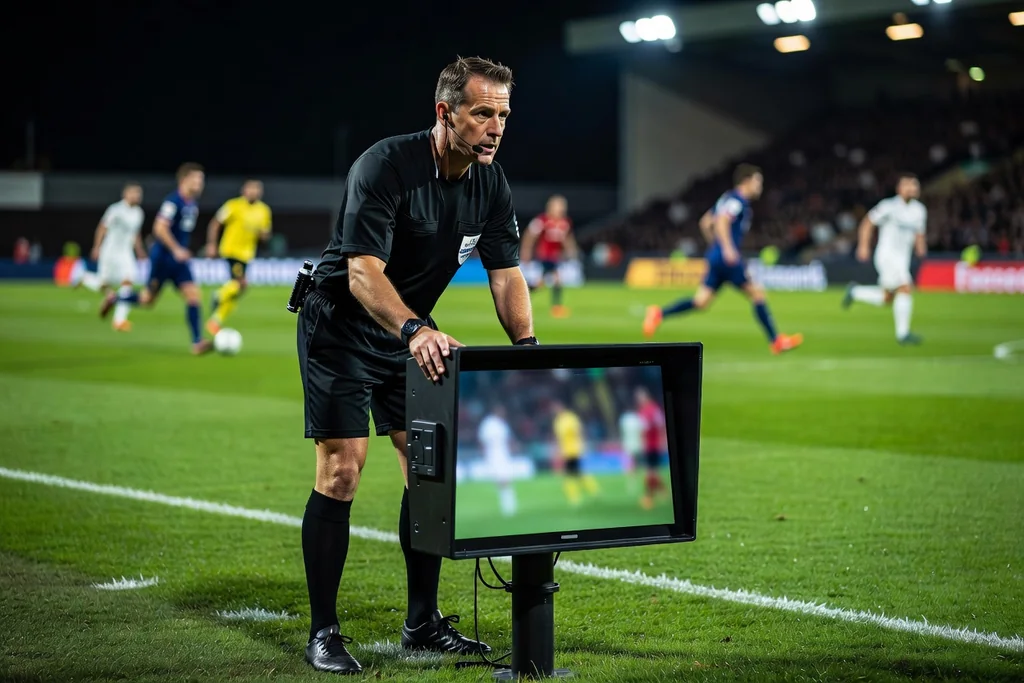
Officiating technology has changed football more visibly than almost any other development of the last decade. Decisions that were once made instantly and finally are now reviewed, sometimes for minutes, and supporters in the stadium and at home experience the game differently as a result. Whatever a supporter thinks of the changes, understanding them is now part of understanding the sport.
This article explains what officiating technology does, how the different systems work, what changes for supporters and why the debate about it is unlikely to end.
Why technology was introduced
The pressure for change came from the cost of errors. A goal wrongly allowed or a penalty wrongly refused can decide a championship or a relegation, and the resources available to television audiences made those mistakes more visible than ever before. Technology was introduced to reduce them.
The argument for it is straightforward: if the information needed to decide a question correctly is available, refusing to use it is difficult to defend. The argument against it is equally straightforward, and it concerns what the game loses when decisions take longer and celebrations become provisional.
How the main systems work
Different systems address different problems. Goal-line technology answers a single factual question about whether the ball has crossed the line, and it does so immediately and automatically. Video review addresses a wider range of decisions, with officials reviewing incidents on a monitor away from the pitch while the match continues to wait.
The more advanced systems use tracking and sensors to provide information that assists the officials rather than replacing them. The pattern across all of them is the same: technology narrows a question to a factual one, and a human still makes the final decision.
What counts as a reviewable decision
Not every decision is reviewable, and the limits are defined by the rules rather than by what supporters would like to see corrected.
- Whether a goal should be awarded or disallowed.
- Whether a penalty should be given.
- Whether a player should be sent off.
- Whether a player was mistakenly cautioned or dismissed.
- Whether the ball went out of play or an offence was missed in the build-up.
What changes for supporters
The most noticeable change is the delay. A goal is no longer a moment of unqualified celebration; it is a moment followed by a wait while the decision is checked. Supporters in the stadium, without access to the replays being examined, are often the last to know what is being reviewed.
Communication has improved with time. Announcements explaining decisions, and screens showing the review process, have been introduced to reduce the confusion, and those measures have generally been welcomed. The underlying tension remains, because a correct decision reached slowly still interrupts the emotional rhythm of the match.
The debate that will not go away
Arguments about officiating technology usually turn out to be arguments about something broader: how much intervention the game should accept, and whether accuracy is worth the cost in flow and spontaneity. Reasonable supporters disagree, and both sides have a clear case.
What the debate has already settled is that technology is here to stay. The question is no longer whether systems should be used but how they should be refined, how quickly decisions should be reached and how much information supporters should be given while they wait.
How the systems fit together
Different technologies solve different problems, and understanding which system handles which decision makes the process easier to follow.
| System | What it checks | How long it takes |
|---|---|---|
| Goal-line technology | Whether the ball crossed the line | Effectively immediate |
| Video review | Goals, penalties, red cards and mistaken identity | Variable, often minutes |
| Tracking and sensors | Assisting decisions with positional information | Fast, but still reviewed |
| On-field review | The referee examining the incident himself | Longer than an automatic decision |
| Communication to the crowd | Explaining what is being reviewed | Added alongside the decision |
A permanent change in how the game is officiated
Officiating technology has altered the experience of watching football as much as it has altered decision-making. Matches now contain pauses that did not exist before, and supporters have learned to celebrate a goal with a small reservation. That change is permanent, and the most useful thing a supporter can do is understand what each system does and what it cannot.
Read next
Transfer market: the trends shaping deals
Longer contracts, structured fees and the changing balance between buyers and sellers.
Data and analytics in modern football
How clubs use information to recruit, prepare and evaluate, and what it cannot do.
Stadium development and the matchday experience
Rebuilds, safe standing and the push to improve what a trip to the ground feels like.