
What hosting a major tournament involves
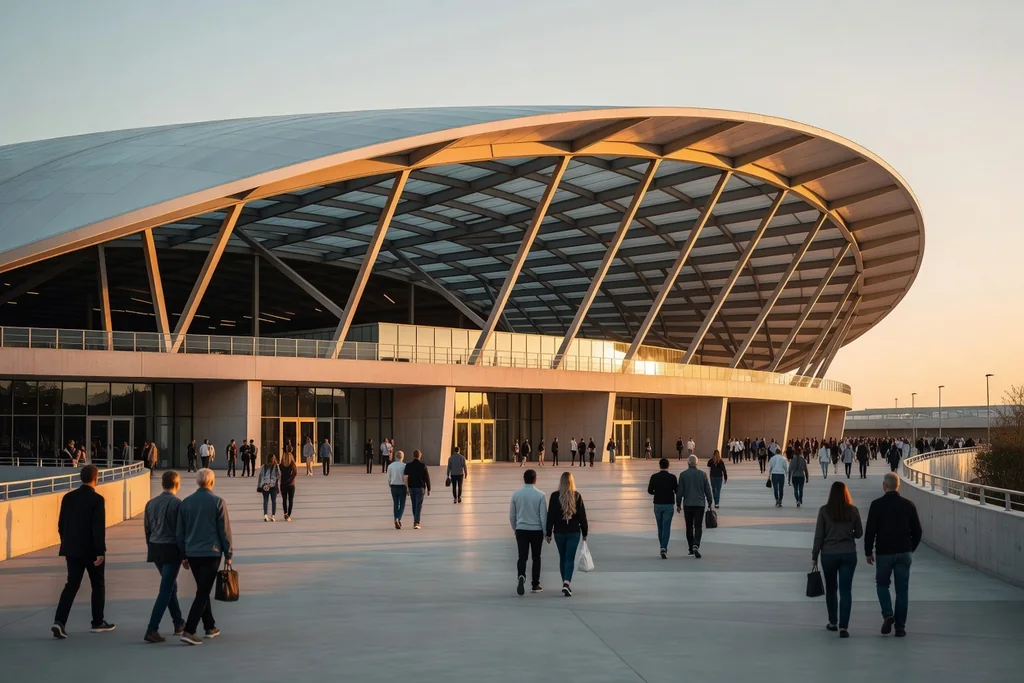
Hosting a major international tournament is one of the largest undertakings a country can take on. It involves building or renovating stadiums, upgrading transport, housing dozens of teams and supporters, and coordinating security, broadcasting and medical provision across multiple cities. The football is only one part of a very large logistical project.
This article explains what hosting a major tournament involves, how hosts are chosen, what they are required to provide and what the longer-term consequences tend to be.
How a host is chosen
Hosts are selected through a bidding process conducted well in advance of the tournament. Candidate countries or groups of countries submit proposals covering stadiums, infrastructure, accommodation, transport and the guarantees they can offer, and the governing body evaluates those submissions before awarding the event.
Because the decision comes years before the tournament, hosts have a long preparation period. That lead time is necessary, since constructing or renovating stadiums and transport links cannot be done in a single season.
What a host has to provide
The requirements are extensive and are set out in the hosting agreement. Stadiums of the required capacity and standard are the most visible element, but they are far from the only one. Training facilities, team hotels, medical services and reliable transport between venues all have to meet the organiser’s standards.
Broadcasting and technology requirements have grown alongside the size of the events. Modern tournaments depend on extensive connectivity, camera positions and power provision at every venue, all of which must be in place before the first match.
The stadium question
Stadiums are the most contested part of any hosting project. A tournament requires a set of large venues in a short period, and the number required usually exceeds what a country would build for domestic football alone. Hosts therefore face a choice between using existing grounds, expanding them or building new ones.
Each option has consequences. New stadiums provide capacity and facilities but carry a long-term cost; existing grounds avoid construction but may need substantial renovation; and temporary expansion can leave a legacy of structures with no use after the tournament. The decision shapes the financial outcome of the event as much as the sporting one.
What hosting involves beyond the stadiums
The visible football is supported by an infrastructure that has to work continuously for the duration of the tournament.
- Transport between venues, hotels and training bases.
- Accommodation for teams, officials, media and travelling supporters.
- Security planning across every venue and public area.
- Medical provision, including hospitals and emergency planning.
- Broadcast and media facilities at every match venue.
The longer-term impact
Hosts hope for a legacy that outlasts the tournament: improved transport, better sporting facilities and a boost to participation and tourism. Whether those hopes are realised depends on how the investment is planned. Infrastructure that serves a city after the event tends to deliver lasting value, while facilities built only for the tournament can become a burden.
The sporting impact is easier to measure. A host nation plays at home in front of its own supporters, which is an advantage in any tournament, and the attention generated by hosting often brings a lasting increase in interest in the game.
How hosting fits into the football calendar
Hosting affects the domestic calendar of the host country as well as the tournament itself.
| Element | What it requires | Typical timeframe |
|---|---|---|
| Bidding | A formal proposal and guarantees | Years before the event |
| Stadiums | Construction or major renovation | Several years of building |
| Transport | Upgrades to roads, rail and airports | Planned over many years |
| Accommodation | Hotels and team bases | Confirmed well in advance |
| Legacy planning | Uses for facilities after the event | Decided during the bid |
More than a football tournament
A major tournament is a national project as much as a sporting event, and the football is the part that becomes visible only at the end of a very long preparation. Judged that way, hosting is less about the four weeks of matches and more about what a country is able to build and sustain around them.
Read next
How World Cup qualification works
Confederation groups, play-offs and the long road to the finals.
Continental tournaments and their formats
How continental championships are set up and what reaching the final stages takes.
International breaks explained
Why the club season pauses and how clubs and countries share the calendar.